

Elevate Your Music with Professional Drum Recording Services
Creating music that resonates with listeners requires more than just talent; it demands high-quality production. One of the most crucial elements in music production is the drum track. A well-recorded drum part can elevate a song, providing the backbone that supports melodies and harmonies. This is where professional drum recording services come into play. In this post, we will explore the benefits of using these services, what to expect during the recording process, and how to choose the right studio for your needs.
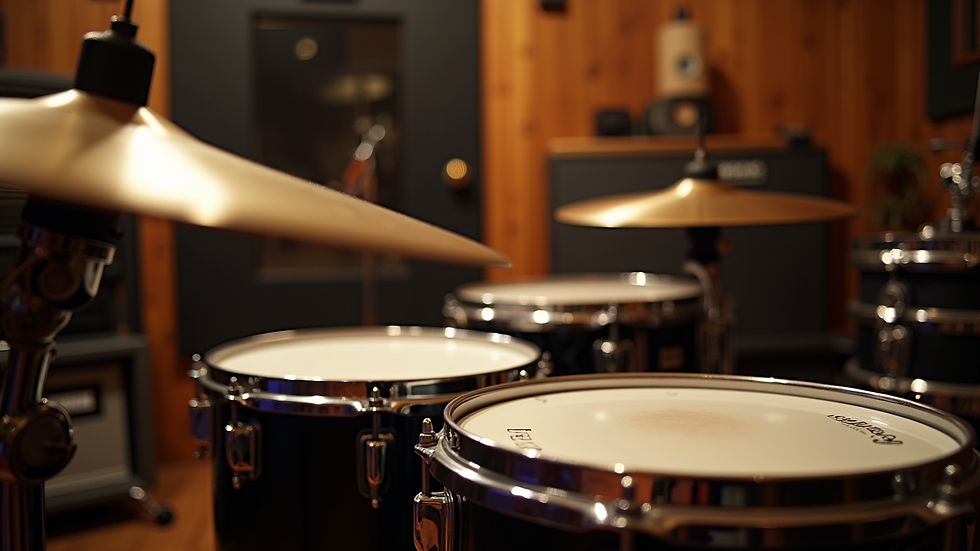
The Importance of Quality Drum Recording
Drums are often referred to as the heartbeat of a song. They set the tempo and create the rhythm that drives the music forward. Here are some reasons why investing in professional drum recording services is essential:
Enhanced Sound Quality
Professional studios are equipped with high-end microphones, preamps, and mixing consoles that capture the nuances of a drum performance. This results in a cleaner, more polished sound compared to home recordings. The difference in sound quality can be the deciding factor in how your music is received.
Expert Engineering
Professional sound engineers have the experience and knowledge to mic drums effectively. They understand how to position microphones to capture the best sound from each drum and cymbal. This expertise can make a significant difference in the final mix, ensuring that every hit is heard clearly.
Acoustic Treatment
Recording studios are designed with acoustics in mind. They often feature soundproofing and treatment that minimizes unwanted noise and echoes. This controlled environment allows for a more focused recording session, leading to better results.
What to Expect During the Recording Process
Understanding the recording process can help you prepare and make the most of your session. Here’s a breakdown of what typically happens during a professional drum recording:
Pre-Session Preparation
Before you step into the studio, it’s essential to prepare your drum kit and practice your parts. Here are some tips:
Tune Your Drums: Make sure your drums are well-tuned. A well-tuned kit sounds better and requires less adjustment during recording.
Choose the Right Sticks: Different sticks can produce different sounds. Experiment with various types to find the best fit for your music.
Practice Your Parts: Be confident in your playing. The more comfortable you are with your parts, the smoother the recording session will go.
Setting Up
When you arrive at the studio, the engineer will set up the microphones and test the sound. This process may take some time, but it’s crucial for achieving the best sound. Expect to discuss the sound you’re aiming for and any specific requests you may have.
Recording Takes
Once everything is set up, you’ll begin recording. Here are some things to keep in mind:
Multiple Takes: It’s common to record several takes of each song. This allows you to choose the best performance during the mixing stage.
Communication: Stay in touch with the engineer throughout the process. If something doesn’t sound right, don’t hesitate to speak up.
Mixing and Editing
After the recording session, the next step is mixing. This is where the magic happens. The engineer will balance the levels, add effects, and ensure that the drum tracks fit seamlessly into the overall mix.
Choosing the Right Studio
Not all recording studios are created equal. Here are some factors to consider when selecting a studio for your drum recording:
Reputation and Reviews
Research studios in your area and read reviews from previous clients. Look for studios that have a strong reputation for drum recording specifically.
Equipment
Check the studio’s equipment list. Ensure they have high-quality microphones and recording gear. A studio with a diverse selection of drum kits can also be beneficial.
Atmosphere
Visit the studio if possible. The environment should be comfortable and inspiring. A positive atmosphere can enhance your performance.
Budget
Professional drum recording services can vary in price. Determine your budget beforehand and look for studios that offer packages within your range. Remember, investing in quality recording can pay off in the long run.
Tips for a Successful Recording Session
To ensure your recording session goes smoothly, consider these additional tips:
Warm Up
Just like athletes, musicians need to warm up. Spend some time playing simple patterns to get your muscles ready.
Stay Relaxed
Nerves can affect your performance. Take deep breaths and remind yourself that this is a creative process.
Bring Your Own Gear
If you have specific drumsticks, pedals, or other gear you prefer, bring them along. Familiarity can help you feel more comfortable.
Be Open to Feedback
The engineer may have suggestions to improve your sound. Be open to their feedback and willing to experiment with different approaches.
The Final Product
Once the mixing is complete, you’ll receive the final tracks. This is an exciting moment, as you’ll hear your music come to life. Consider how the drum tracks fit into the overall sound of your project.
Distribution and Promotion
After your music is ready, think about how you will distribute and promote it. Platforms like Spotify, Apple Music, and SoundCloud are great for sharing your work with a wider audience.
Conclusion
Investing in professional drum recording services can significantly enhance your music. The quality of the recording, the expertise of the engineers, and the controlled environment of a studio all contribute to a superior final product. By preparing adequately and choosing the right studio, you can ensure that your drum tracks elevate your music to new heights.
Take the next step in your musical journey and explore professional drum recording services today. Your music deserves the best!


Comments